
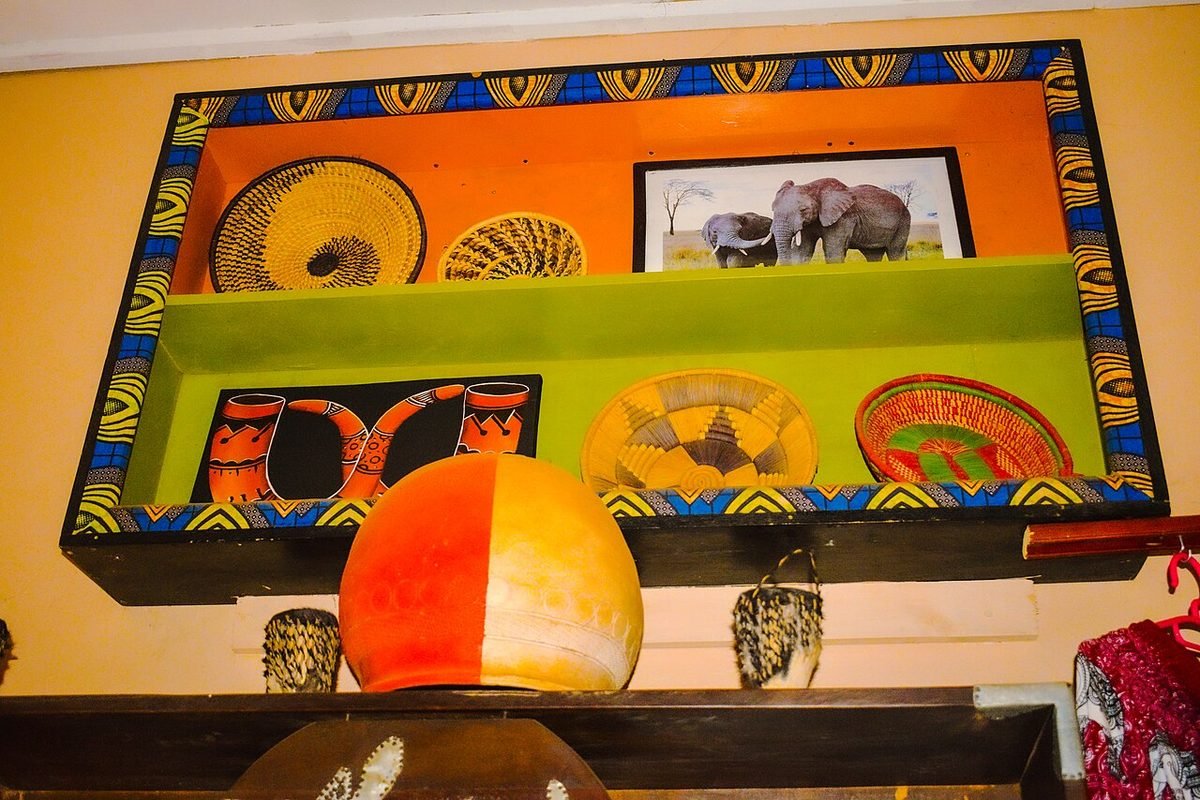
Crafts
Mats, baskets and cords
Mats of palm bark and papyrus, grain baskets, and ropes and threads for every use.
Read moreHow Lango pots were moulded, patterned and fired, and the two-mouthed pot kept for ceremonies.

Driberg recorded how pots were made in the Lango of a century ago.
One pot was different. The dogaryo (“two-mouth”), also called agulu jok, the “pot of god”, was used for ceremonies, and it was the only pot whose making was left to particular people, because it was hard to make well.
Source: J. H. Driberg, The Lango: A Nilotic Tribe of Uganda (London, 1923), p. 88; public domain. It describes life about a hundred years ago as a colonial administrator saw it, so customs have changed and some may be told differently today. Elders and families are invited to correct it and add what they know.
Mats of palm bark and papyrus, grain baskets, and ropes and threads for every use.
Read moreSpears, knives, rings and the ariko: the work of the Lango smith, the atet.
Read more