
Smiths and metalwork
Spears, knives, rings and the ariko: the work of the Lango smith, the atet.

In Driberg’s time metalwork was the work of men who inherited the skill, usually from their fathers. The smith was called atet: the atet tong made spears, knives, finger rings, earrings and the heavy brass bracelet called ogul, and the atet ariko made only the chain apron, the ariko.
- The Lango smith did not smelt iron ore. A customer brought the metal in the form of iron hoes, and brass came from imported wire.
- The fee was never large and depended on the labour: an ariko cost one to three goats. The smith kept the finished piece until he was paid, and the payment was called a “ransom” for his work.
- The smithy, ot tet, stood outside the village: one round hut without walls, with a roof that came almost to the ground to keep out the wind. It held the bellows, the furnace, the moulds, tongs, hammer and charcoal. Nobody stole from it.
- An apprentice, often a relation, worked the bellows and was paid by learning the trade.
Source: J. H. Driberg, The Lango: A Nilotic Tribe of Uganda (London, 1923), pp. 86–87; public domain. It describes life about a hundred years ago as a colonial administrator saw it, so customs have changed and some may be told differently today. Elders and families are invited to correct it and add what they know.
Related heritage

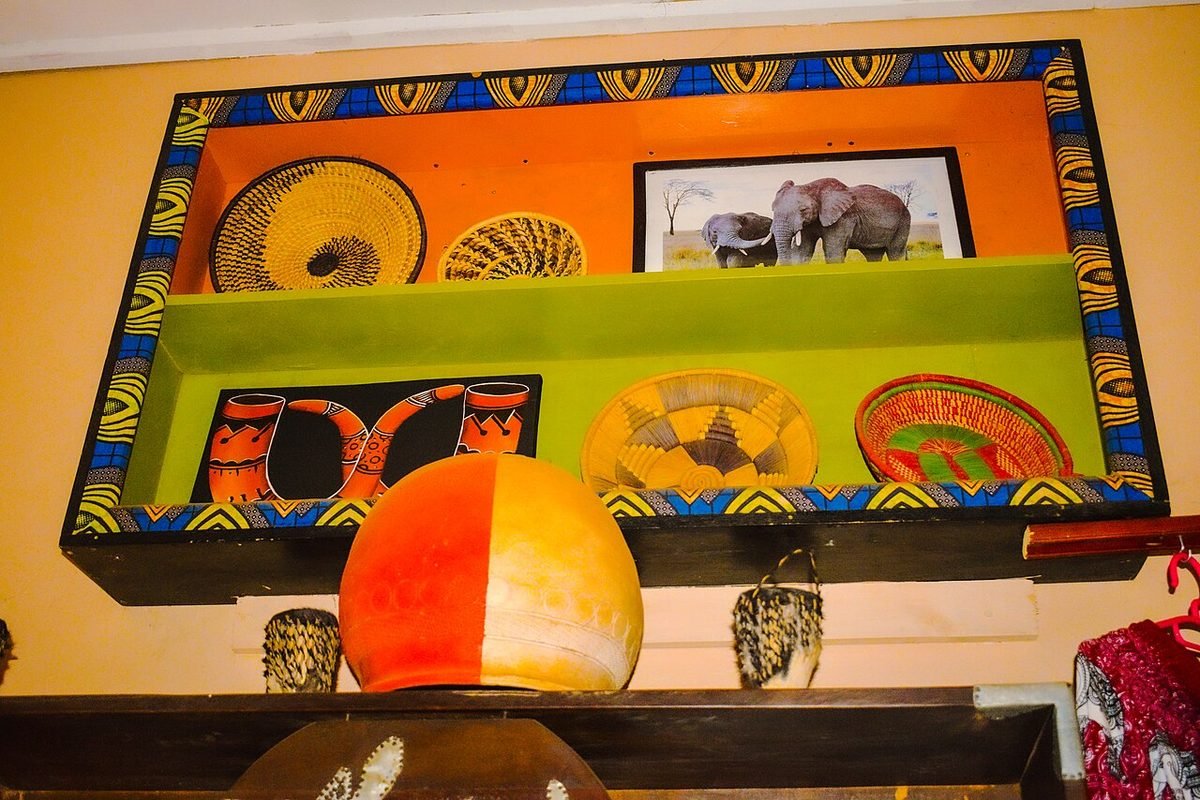
Mats, baskets and cords
Mats of palm bark and papyrus, grain baskets, and ropes and threads for every use.
Read more