
Crafts
Mats, baskets and cords
Mats of palm bark and papyrus, grain baskets, and ropes and threads for every use.
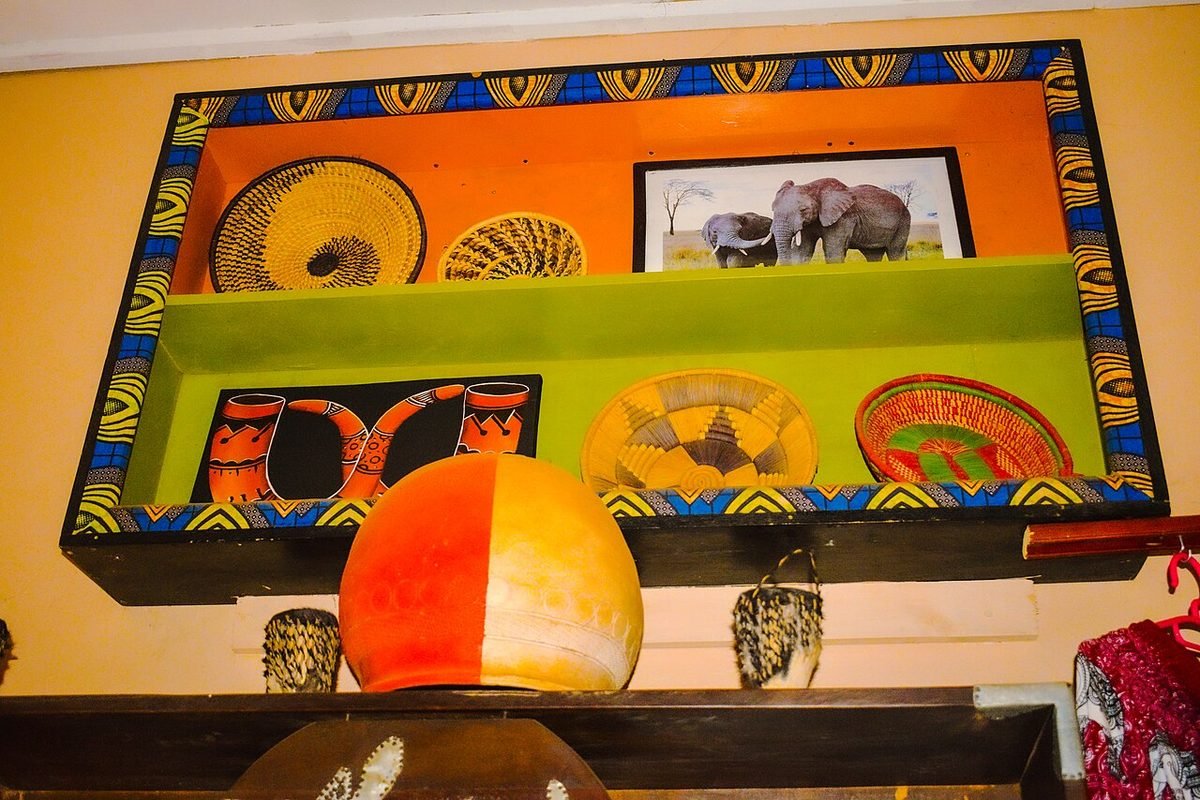
Mats, baskets and cords were made in every village, and both men and women took part in basketry and matting.
- Mats were made in three ways: from the beaten bark of the wild date palm, from papyrus stalks threaded together, and (a newer fashion copied from neighbours) as a six-foot twilled mat of fibre. The oderu, a winnowing mat about two feet square, was made of wicker like the house door.
- Baskets of wicker and twined work, neat and strong, held grain and vegetables. The kor, a basket for hens, was woven from broad bands of fibre.
- Cords. Women spun cotton into thread by rubbing it on the thigh and made the grass plait akedi for tying firewood. Men made ropes and cords from plant fibres, including the three-ply akongomer used for snares and cattle halters.
- Oil and salt. Oil was pressed from sesame and from wild trees such as the croton. Salt came from deposits along the lake shore, or from the ashes of burnt goats’ dung filtered with water.
Source: J. H. Driberg, The Lango: A Nilotic Tribe of Uganda (London, 1923), pp. 89–90; public domain. It describes life about a hundred years ago as a colonial administrator saw it, so customs have changed and some may be told differently today. Elders and families are invited to correct it and add what they know.
Related heritage


Crafts
Smiths and metalwork
Spears, knives, rings and the ariko: the work of the Lango smith, the atet.
Read more